A Spanish research trial found that stimulating the immune system with a bacteria-based immune modulator unexpectedly reduced the effectiveness of an African swine fever vaccine by causing macrophages to limit vaccine virus replication needed for protective immunity.
- Researchers tested an immune modulator based on inactivated Rothia nasimurium bacteria to enhance a live attenuated ASF vaccine, expecting improved efficacy
- The immune stimulation backfired: macrophages reduced vaccine virus replication, limiting the immune response
- ASF virus naturally attacks macrophages early in infection, killing key immune cells before pigs can mount an immune response
- Results may apply to other live attenuated vaccines like PRRS that depend on macrophage replication for protective immunity
- Researchers suggest more targeted immune modulators stimulating other immune cell types might achieve different results
Stimulating the immune system typically improves resistance to disease. But new research from the IRTA-CReSA research institute in Spain suggests that may not always be the case when African swine fever (ASF) is in the mix.
In recent IRTA-CReSA experiments, researchers tested whether an immune modulator based on inactivated Rothia nasimurium — an occasionally infectious but typically harmless bacteria found in pigs, birds and other mammals — could improve the efficacy of a live attenuated ASF vaccine. Their thinking, according to the head of IRTA-CReSA's ASF research group, Jordi Argilaguet, was that stimulating innate immunity during vaccination would enhance the immune response, potentially allowing lower, safer vaccine doses.
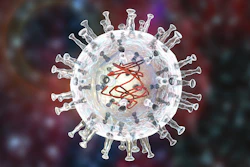
Designing effective vaccines against ASF has proven challenging because the large, complex virus is adept at evading the immune system. Live attenuated vaccines are based on weakened versions of the virus they protect against, but some ASF vaccines have been known to revert to a disease-causing form.
Another part of what makes the ASF virus so deadly — and so difficult to treat and prevent — is that the virus attacks the immune system itself, killing key immune cells called macrophages in the early stages of the infection.
“It's very fast. Before the pig is able to produce an immune response, the virus has already killed one of the main cell subsets that the pig needs to mount an immune response,” Argilaguet said.
In the IRTA-CReSA trial, the presence of the bacteria prompted these macrophages to reduce replication of the vaccine virus, limiting its ability to induce protective immunity.
Although the trial only tested a live attenuated ASF vaccine, the results could have implications for other live attenuated vaccines that rely on replication in macrophages to induce protective immunity, like PRRS vaccines, Argilaguet said.
“We need to do more research to understand better how these different interventions might be influencing each other,” he said.
That doesn't mean producers should avoid using immune modulators, Argilaguet said. It's not yet clear whether different immune modulators that stimulate other types of immune cells would have the same result. A more targeted immune modulator could still be effective, he said.