Eliminating foodborne pathogens from poultry production is not a matter of finding one silver bullet, explained Ramesh Selvaraj, University of Georgia poultry science professor, during the 2026 Georgia Precision Poultry Farming Conference.
According to Selvaraj, egg producers face obstacles that limit pathogen control, and the pre-harvest nutritional strategies available can reduce, but not eliminate, pathogen loads.
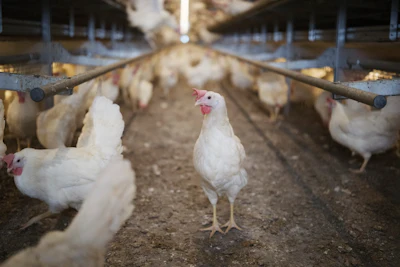
Salmonella enteritidis is the primary foodborne pathogen of concern in layer operations, with Campylobacter a secondary concern. The main challenge, Selvaraj noted, is that birds carry these organisms without showing clinical symptoms, giving farmers little reason to act on a problem they cannot see.
"Why would they go ahead and try to solve a problem which is not even a problem for them in the first place?" he said.
What interventions can realistically achieve
Concerning the ceiling on interventions: a two-log reduction in pathogen load is the realistic best-case outcome, with a 30% reduction in prevalence as the broader target, Selvaraj said.
Additionally, probiotics and related nutritional tools perform best in combination with organic acids, mannan oligosaccharide (MOS) and vaccination, and even then, results are inconsistent across trials. Targeting a specific pathogen without disrupting beneficial bacteria is difficult, and there is no economic incentive structure in the U.S. that rewards producers for pathogen-free eggs, he continued.
The cost of a Salmonella control program — including cleaning protocols, rodent control, water acidification, feed additives and vaccination — represents a significant expense for producers who receive no direct price premium for pathogen-reduced product, he added.
But there is a significant cost for allowing Salmonella enteriditis into the layer house. U.S. egg producers are required to follow the Food and Drug Administration’s (FDA) Egg Safety Final Rule which has requirements for testing the layer house environment for Salmonella enteriditis and holding and testing eggs if a house sample is positive for this pathogen.
If the eggs test positive, then they must be diverted for use in making products which are pasteurized.
Nutritional tools to control pathogens
Egg producers have nutritional options to control pathogens. Selvaraj outlined four pre-harvest strategies available to producers:
- Probiotics and symbiotics: Bacillus dominates the market due to its shelf-stable, spore-forming properties, but encapsulation technology has expanded options to include Lactobacillus, Bifidobacterium, Pediococcus and Enterococcus. Multi-strain products are now standard as different organisms target different sections of the gut.
- Prebiotics and MOS: Oligosaccharides selectively feed beneficial bacteria. MOS derived from yeast cell walls works differently by binding to Salmonella and flushing it from the gut before it can adhere to intestinal cells.
- Organic acids: Formic, fumaric and citric acids lower intestinal pH to create bacteriostatic conditions. Salt forms are often preferred over acids, which are corrosive to feed mill equipment.
- Phytogenics: Essential oils from aromatic plants such as cinnamon and thyme are widely used, though their mechanisms of action are not fully understood.