SafakOguz | iStock.com
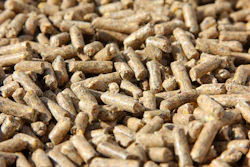
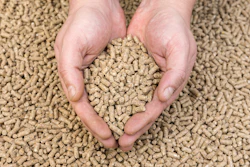
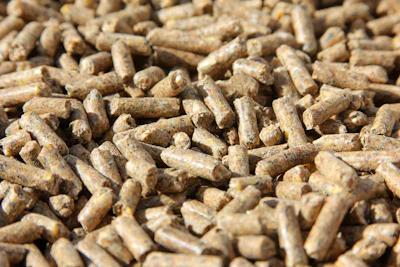
Recently, a feed mill manager showed me some excellent broiler pellets. They were hard, uniform, and almost free of fines — exactly what most poultry companies would like to see leaving the mill. Conditioning temperature had been increased to achieve this result. But, when we discussed enzyme recovery and vitamin stability, nobody had recent numbers.
This is not an argument against higher conditioning temperatures. Heat, moisture and retention time can improve starch gelatinization, pellet durability and microbial control. Better pellets can reduce feed wastage, limit segregation and support higher feed intake. And, for companies concerned about feed hygiene, adequate thermal treatment is not optional.