The U.S. Department of Agriculture’s (USDA) Animal and Plant Health Inspection Service (APHIS) has confirmed a second detection of New World screwworm (NWS) after testing suspect cases. The confirmed case was found in a one-month-old calf in Zavala County, Texas, approximately 5.6 miles away from the first confirmed detection. APHIS and its Texas partners continue to collect and test other samples from the surrounding area which have come back negative.
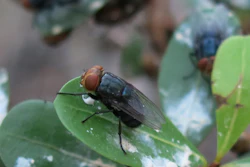
NWS is a serious pest that threatens livestock, pets, wildlife and, in rare cases, people. The larvae burrow into the living tissue of animals, causing severe wounds, animal suffering, and significant economic losses.
“USDA has responded expediently with respect to this second detection, demonstrating our utmost preparedness. This second detection is within the established movement control zone and enhanced sterile insect dispersal area.” said Dudley Hoskins, USDA under secretary for marketing and regulatory programs.
Federal and local response
An APHIS strike team is already on site in Texas. This team includes veterinary medical officers and animal health technicians – experienced experts who serve as USDA’s boots on the ground response force. APHIS is fully positioned to surge additional trained personnel as needed.
The National Veterinary Services Laboratories (NVSL) has deployed an entomologist to the USDA Agricultural Research Service laboratory in Kerrville, Texas, to expedite confirmation processes by positioning NVSL diagnostic assets in the area.
APHIS has also deployed two dedicated NWS response cargo trailers. Each 24-foot trailer serves as a mobile preparedness and field operations center. Once unloaded, the trailers convert into operational and laboratory space, providing USDA personnel with the equipment and environment necessary to mount a rapid, efficient response.
Guidance for pet and livestock owners
USDA urges everyone in the area to check animals for:
- Draining or enlarging wounds
- Maggots or egg masses
- Signs of discomfort
- Lesions in body openings (nose, ears, genitalia, umbilical area)
Anyone who suspects a screwworm infestation should immediately contact their veterinarian, state animal health official, or USDA.
Though rare in people, anyone who notices a suspicious lesion should seek immediate medical care.
The U.S. food supply remains safe. Screwworms do not infest meat, fruits, vegetables or other food products. Any affected animal would be identified during USDA Food Safety and Inspection Service inspection, and no contaminated product would enter commerce.