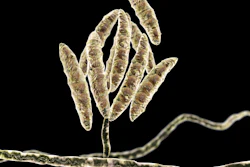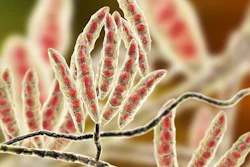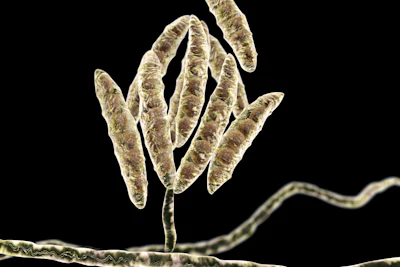
DSM-Firmenich Animal Nutrition & Health has released its H1 2026 World Mycotoxin Survey, revealing 85% of samples tested contained more than one mycotoxin. The finding confirms that co-contamination is still one of the industry’s biggest challenges, with fumonisins (FUM), ΒΒ-trichothecenes (B-trichos) and zearalenone (ZEN) remaining the most prevalent mycotoxins globally.
The report draws on 10,410 samples from 78 countries and 59,180 individual analyses conducted between January and June. East Asia and Southern Asia recorded the highest overall risk levels, at 97% and 92%, respectively.
The findings reinforce the importance of mycotoxin analysis as part of effective risk management. When ingested, mycotoxins can negatively affect animals, causing impaired reproduction, digestive disorders, carcinogenicity and reduced performance. Even relatively low concentrations of several mycotoxins can lead to measurable losses in animal health and performance, which is why monitoring the complete mycotoxin profile is essential rather than focusing on individual toxins. Testing raw ingredients and finished feed helps producers assess the risk of contamination in advance and take precautions to protect animal health and productivity.
Comparisons with the same period in 2025 show that prevalence changed considerably across several regions:
- In Europe, the proportion of samples containing fumonisins rose from 42% to 56%, while B-trichothecenes increased from 71% to 79%.
- Sub-Saharan Africa also recorded notable increases, with zearalenone rising from 60% to 78% and fumonisins from 62% to 74%.
- In Asia, ochratoxin A prevalence rose from 37% to 51%, while B-trichothecenes fell from 49% to 36%.
- Aflatoxin prevalence in Central and South America increased from 33% to 44%.
- In North America, prevalence remained broadly stable across several major mycotoxins, although there was a slight increase in the prevalence of B-trichothecenes, from 81% to 82%.
Several regions recorded exceptionally high maximum concentrations, highlighting the importance of recognizing local contamination hotspots alongside broader global trends.
“Mycotoxin exposure can vary considerably between regions and individual feed materials, so relying on general assumptions can leave producers vulnerable to unexpected risks,” said Ursula Hofstetter, head of mycotoxin risk management at DSM-Firmenich. “Co-contamination is particularly concerning because mycotoxins can interact with one another inside the animal. The combined effects are often greater than the impact of a single mycotoxin alone, especially when gut health, immunity, liver function and reproduction are affected simultaneously.
“While mycotoxin contamination cannot always be completely prevented, the risk can be substantially reduced through proactive management across the feed supply chain. Regular testing, good storage practices, careful ingredient sourcing and proactive risk management can significantly reduce exposure and help protect animal health and productivity.”