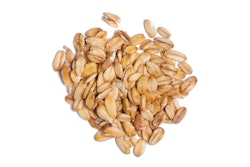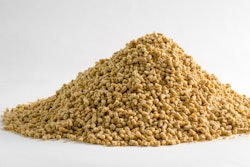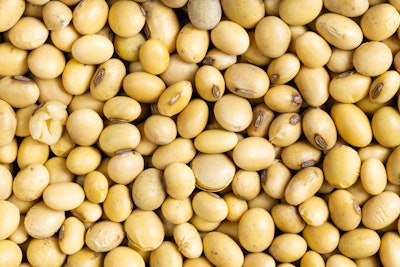
Soybean hulls don’t get much attention in poultry nutrition circles, but they can be a surprisingly useful tool in broiler and layer feeds. As feed costs rise and producers look for sustainable fiber sources, soy hulls offer a way to fine-tune gut function, feed efficiency and even litter quality if used the right way.
Soybean hulls are the outer coating of the soybean seed, high in fiber (35–40% crude fiber) and moderate in protein (11–13%). They’re not energy dense, but they’re clean, consistent and highly digestible for their class. The key value lies in their insoluble yet fermentable fiber, which encourages gizzard activity and smooth digesta flow without overwhelming the gut. When formulated on analyzed energy and amino acid values, soy hulls can play a strategic role rather than just being a filler.