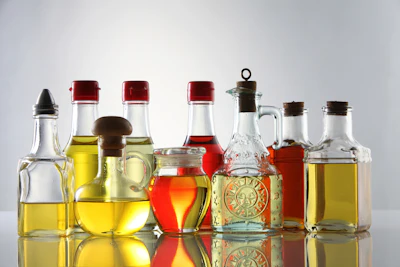
eskay lim | BigStock.com
Fats and oils are among the most valuable ingredients in U.S. poultry feeds. They provide concentrated energy, reduce dust and often help pellet manufacturing. However, poultry fat, soybean oil, corn oil and blended feed fats begin to deteriorate when exposed to oxygen, heat, light, moisture and certain metals – and sometimes, rather quickly.
The difficulty is that oxidation does not produce one stable compound that can be measured with one simple test. It happens in stages. This is where the familiar peroxide value can become misleading.