Pectin represents a unique carbohydrate source that complements starch and fiber in ruminant diets. By providing stable energy release, enhancing milk fat synthesis and supporting rumen health, it stands as an often overlooked but valuable tool for optimizing dairy performance and animal well-being.
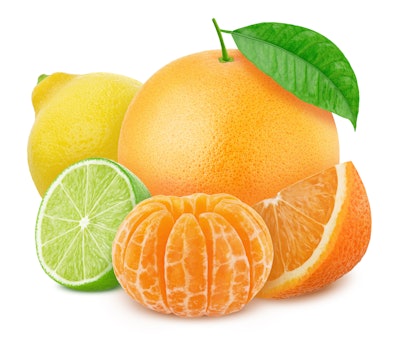
Pectin is a soluble, fermentable fiber found in the cell walls of many plants, especially fruits and certain forages. Chemically, it is a complex polysaccharide composed mainly of galacturonic acid units, which can bind water and form gels under specific conditions. Unlike cellulose or hemicellulose, pectin is highly digestible by rumen microbes and contributes to energy supply through volatile fatty acid (VFA) production, primarily acetate and propionate. In ruminant diets, pectins represent an important part of the “neutral detergent soluble fiber” (NDSF) fraction, bridging the gap between rapidly fermentable carbohydrates like sugars and starch, and the slower, structural fibers.