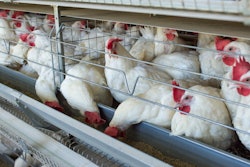
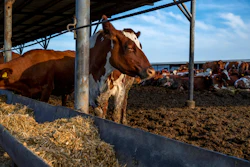
As feed costs rise and conventional protein sources face sustainability and political pressures, the spotlight is shifting toward alternative legumes. Among the most promising is the fava bean (Vicia fava), a cool-season crop with high nutritional value, strong agronomic performance and growing relevance in livestock diets. Its use supports animal productivity and contributes meaningfully to soil health and feed system resilience.
Fava bean is well-adapted to temperate climates and heavy soils, especially in regions with cool, moist growing conditions. Unlike many legumes, it performs well in poorly drained soils and contributes significantly to nitrogen fixation – up to 270 kg N/ha under optimal conditions. Its deep root system enhances soil structure and reduces compaction, while its canopy suppresses weed pressure.