yootin | BigStock.com
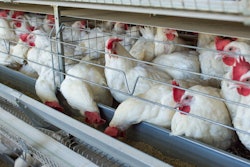
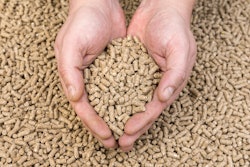
In commercial layer production, the goal is clear, consistent, high-quality egg output over an extended period. This demands a well-balanced diet, strong gut and liver health, and robust immune function. One of the most disruptive threats to achieving these goals is mycotoxins, toxic compounds produced by molds that contaminate common feed ingredients.
While several mycotoxins can affect poultry, three stand out as particularly dangerous to laying hens — aflatoxins, ochratoxin A (OTA), and T-2 toxin. These toxins may not always cause visible illness, but their effects on egg quantity and quality, and hen health can be dramatic, especially with long-term exposure.