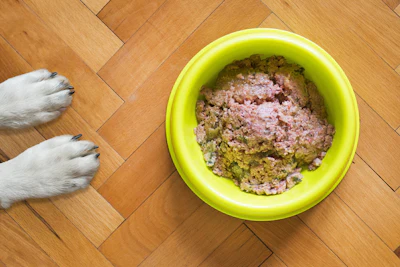
High-moisture pet foods — including raw and cooked formats — represent one of the fastest-growing categories in today's market, driven by consumer demand for fresh, minimally processed diets made with recognizable ingredients. But that growth comes with risk.
Elevated water activity in these products creates significant preservation challenges, and manufacturers face pressure to address them without resorting to conventional synthetic additives that conflict with clean-label positioning.
Jasmine Kataria, Ph.D., senior scientist at Kerry, will present "Advancing Shelf-Life and Safety in Cooked and Raw High-Moisture Pet Foods with Clean-Label Innovation" at Petfood Forum 2026 in Kansas City, Missouri, U.S., on Tuesday, April 28.
Kataria's presentation will report on a study evaluating ingredient systems that combine vinegar-fermentate technology in both raw and cooked high-moisture formats — a natural, fermentation-based approach aimed at controlling pathogens and extending shelf life while keeping ingredient labels transparent.
"Clean-label fermentation technologies allow the pet food industry to create safer, fresher, high-moisture diets that meet pet parents' expectations for natural ingredients, protect pet health and extend shelf-life in a way that meaningfully reduces waste and supports a more sustainable supply chain," Kataria said.
A path forward for a high-risk segment
For pet food manufacturers, Kataria sees this work as offering a scalable path forward in a high-risk segment.
"Clean-label fermentation technologies help manufacturers meet consumer demand for fresh, minimally processed diets while still delivering strong pathogen control, reduced waste and better cold-chain efficiency," she said.
Looking ahead, Kataria anticipates natural preservation systems will evolve toward multi-functional clean-label solutions designed specifically for raw and high-moisture formats, with more predictable control of both pathogens and spoilage organisms.
Over the next five years, she expects those advances to help fresh pet foods move from niche to mainstream — making them safer, longer-lasting and easier to distribute while reinforcing the transparent ingredient standards consumers expect.
Petfood Forum and Petfood Essentials show dates are April 27-29, 2026, in Kansas City, Missouri, U.S. To register or stay informed on the latest event developments, go to PetfoodForumEvents.com.