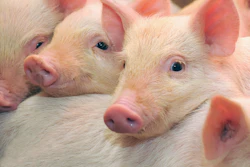
In recent years, the veterinary field has made significant strides in reducing antimicrobial use, but the challenge of antimicrobial resistance remains pressing. This issue is particularly relevant in pig farming, where pathogenic strains of E. coli are a common cause of gastrointestinal disorders and subsequent antibiotic use. However, an underrated innovation in the form of algae holds promise, especially as it aligns with livestock sustainability principles, while offering functional benefits for animal nutrition.
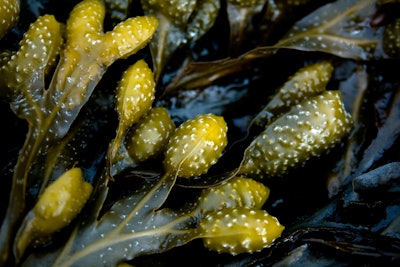
Recent research has highlighted the potential of incorporating algae into piglet diets to address these challenges. Specifically, the combination of two types of algae – Ascophyllum nodosum and Lithothamnium calcareum – has shown promise in enhancing piglet health and performance. These seaweeds are rich in functional molecules that can support animal growth and improve gut health.