David Tadevosian I Shutterstock.com
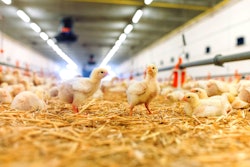
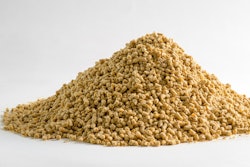
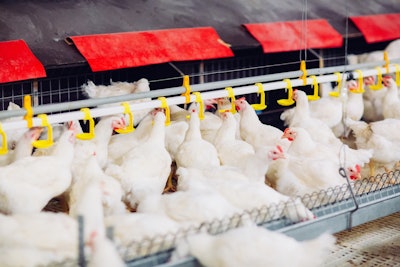
In poultry farming, nutrition significantly influences the health and productivity of broiler chickens. One important strategy to this end has been the use of low-crude-protein (CP) diets in conjunction with the use of feed-grade synthetic essential amino acids (EAA). This approach has offered several economic and environmental benefits, but it also presents some challenges.
In general, low-CP diets lower feed costs and reduce environmental impact by decreasing nitrogen excretion and ammonia emissions. In several cases, and especially when compared with high-CP diets, they also improve broiler health by reducing instances of footpad dermatitis and breast blisters due to drier litter conditions.