chayakorn | AdobeStock.com
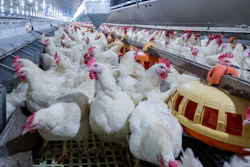
A feed transition looks precise in the production schedule. One diet ends, another begins, and the flock moves into its next nutritional phase. At least that is the theory.
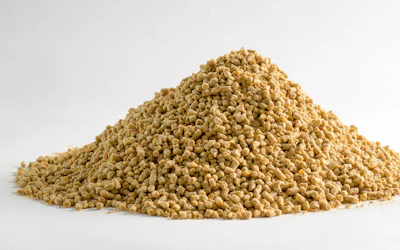
On the farm, the previous feed may remain in the bin. The next delivery may arrive early or late. Pellets may change in hardness, fines may increase, or feeders may briefly run empty. What appears as a clean transition on paper can take several days, and every house may experience it differently.