Laying hen bone strength depends critically on nutrition during the pullet rearing phase, before hens begin laying eggs. Building maximum bone mass before egg production starts is essential because laying hens mobilize approximately 40% of eggshell calcium from their skeleton, putting significant stress on bones throughout their productive life.
- Cortical bone mineral content peaks at about 19 weeks of age, when hens begin laying, then declines as medullary bone increases to serve as a calcium reserve.
- Approximately 60% of eggshell calcium comes from diet and 40% from bone, creating substantial skeletal stress during production.
- Key micronutrients including vitamin D, vitamin K, copper, manganese, and zinc support bone matrix formation and mineral utilization.
- Coarser limestone or oyster shell stays longer in the gizzard and releases calcium slowly during overnight shell formation, supporting bone health.
- Night feeding programs help rebuild calcium reserves and may reduce bone resorption in laying hens.
Keeping laying hens productive for 100 weeks or longer puts heavy demands on the skeleton, making bone health a bottom-line and welfare issue. Bone weakness and eggshell problems go hand in hand, and that the groundwork is laid during rearing.
“We have to maintain a good balance between good eggshell formation and good bone integrity. It is important for the economics and also from the animal welfare standpoint,” explained Woo Kim, PhD, professor of poultry science at the University of Georgia, at the Georgia Layer Conference.
Build bone before the first egg
Kim’s lab’s micro-CT work showed cortical bone mineral content rising until about 19 weeks of age, when hens begin laying. After that, cortical bone declines while medullary bone, a woven bone that serves as a rapid calcium reserve, increases at its expense.
“A good start is very important,” Kim said. “We need to maximize bone mass before onset of egg production.”
The skeleton is under heavy demand once hens lay. About 60% of eggshell calcium comes from the diet and roughly 40% from bone.
“That’s a huge amount of calcium. It puts a lot of pressure on the bone,” Kim said.
Because so much calcium is mobilized from bone, other skeletal tissue, including cortical and cancellous bone, can lose mineral, not just medullary bone, he added.
In a trial of four dietary calcium levels, egg production and shell quality held up reasonably well down to 2.2% calcium but dropped sharply at 1.2%. Medullary bone released calcium most readily, followed by cancellous bone, tail bone and cortical bone.
Additives and micronutrients
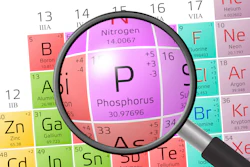
Kim said several inputs may support mineral use and bone quality. Phytase can improve calcium and phosphorus utilization by breaking down phytate, which also binds other charged nutrients. Probiotics can support mineral absorption, gut health, eggshell quality and bone quality.
Vitamin D, vitamin K, copper, manganese and zinc support formation of the organic matrix in both bone and eggshell. Copper is tied to collagen synthesis, manganese to glycosaminoglycan production, and zinc to carbonic anhydrase activity, which is needed to make calcium carbonate.
Calcium source and feeding program also matter.
“In the evening and nighttime, laying hens normally don’t eat, so their calcium pool from the diet is depleted,” Kim said.
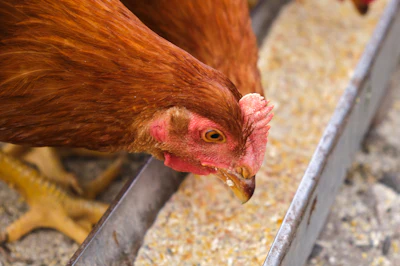
Coarser limestone or oyster shell stays longer in the gizzard and releases calcium slowly during overnight shell formation. He also pointed to night feeding, a short feeding window that helps rebuild calcium reserves and may reduce bone resorption.
Calcium, phosphorus and vitamin D remain essential for long-lived layers, Kim said, but they are only part of the picture.
“We also need to think about other factors affecting these nutrient strategies, like heat stress, fatty liver disease and enteric disease,” he added.