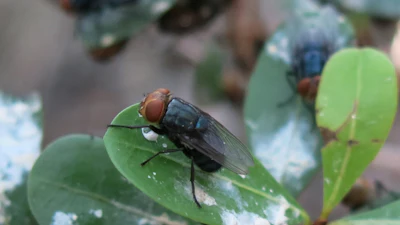
The U.S. Department of Agriculture (USDA) and U.S. Army Corps of Engineers (USACE) have broken ground on the new sterile fly production facility at Moore Air Base in Edinburg, Texas. USDA is partnering with USACE to construct this facility, which is a cornerstone of USDA’s five-pronged strategy to combat New World screwworm (NWS), expanding the nation’s domestic capacity to protect livestock, wildlife and public health from this serious pest.
“Breaking ground on this facility marks a major investment in safeguarding America’s livestock and the producers who feed this nation,” Agriculture Secretary Brooke Rollins said. “This puts NWS sterile fly production in American hands, so we do not have to rely on other countries for the best offensive measure to push screwworm away from our borders.”
USACE is providing engineering, design, construction management and contract oversight for the project, ensuring the facility meets the highest standards for biosecurity, reliability, and long-term operational readiness.
The new facility is being built with an aggressive timeline designed to quickly expand the nation’s sterile fly production capacity:
- Initial operational capability targeted for November 2027, reaching production of 100 million sterile flies per week.
- Construction continues immediately beyond initial operations to scale full production capacity to 300 million sterile flies per week.
- USDA and USACE have slashed red tape, securing expedited procurement and eliminating other barriers.
Together, USDA and USACE will oversee installation and commissioning of specialized systems that will make this facility operable on time, delivering the critical sterile flies we need to continue to defeat this pest.
This new state-of-the-art facility will complement USDA’s ongoing production of 100 million sterile flies per week at the Panama-based COPEG facility. USDA has also invested $21 million to support modernization of Mexico’s Metapa, Mexico, facility, expected to be operational in summer 2026.
Once fully operational, this expanded production network will provide the speed, scale and domestic capability needed to rapidly counter any NWS threat — reducing risks to producers, protecting animal health and strengthening the resilience of America’s livestock industry.