The U.S. Department of Agriculture (USDA) and U.S. Army Corps of Engineers (USACE) have contracted with Mortenson Construction to build a new sterile fly production facility at Moore Air Base in Edinburg, Texas. This facility is a key component in USDA’s 5-prong strategy to fight New World screwworm (NWS), as it will expand USDA’s domestic response capacity, bolstering protection for U.S. livestock, wildlife and public health.
USACE is partnering with USDA and will provide oversight for the contract, design, engineering and construction of the facility.
“The Army Corps of Engineers is an essential partner in bringing this facility to life and further highlights the Trump Administration’s government wide effort to fight the New World screwworm threat in Mexico,” said U.S. Secretary of Agriculture Brooke L. Rollins. “The Army Corps is the best in the business and their engineering expertise and proven track record in delivering complex projects will help ensure we can build a modern, resilient facility that protects American agriculture from invasive pests for decades to come. This first of its kind facility on U.S. soil will ensure we are not reliant on other countries for sterile flies.”
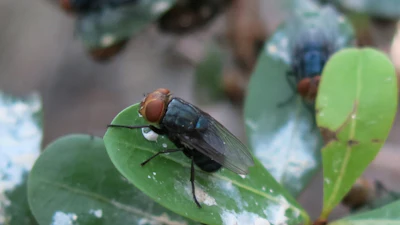
A sterile fly production facility is a specialized biosecure complex where NWS flies are raised and sterilized using irradiation and then released into targeted areas. Female New World Screwworm flies only mate once in their lives, so if they mate with a sterile male, they lay unfertilized eggs that don’t hatch. This method, known as the sterile insect technique, has been a cornerstone of proven screwworm eradication efforts for decades and is recognized worldwide as a highly effective, environmentally responsible approach to insect control. Sterile insect technique, when paired with surveillance, animal movement restrictions, and education and outreach, is a proven and effective tool for controlling and eradicating NWS.
USDA produces approximately 100 million sterile flies per week at the COPEG facility in Panama and disperses them within and just north of affected areas in Mexico. In addition to the COPEG facility in Panama, USDA invested $21 million to support Mexico’s renovation of an existing fruit fly facility in Metapa, which will double NWS production capacity once complete. With ongoing support from APHIS technical experts, Mexico anticipates sterile fly production will begin at this facility in summer 2026. The new facility at Moore Air Base will be the only U.S.-based sterile fly production facility and will work in tandem with facilities in Panama and Mexico to help eradicate the pest and protect American agriculture.
USDA and USACE will break ground on this new facility this spring, after initial planning and development meetings with the new contractor. By November 2027, the production facility at Moore Air Base is expected to reach its initial goal of producing 100 million sterile flies per week. After that, construction will continue at the facility to increase production with the long-term goal of producing 300 million sterile flies per week.