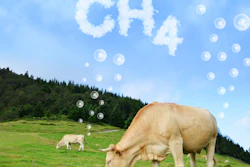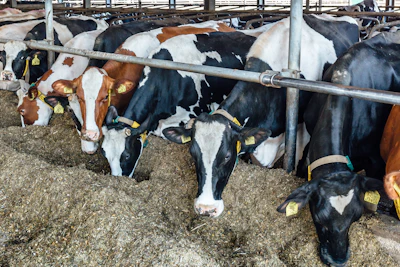
A new compound to reduce methane emissions from cattle has been developed and tested by Rumin8, using a novel “prodrug” approach – which is inactive when consumed – but only becomes active after it is ingested by ruminants.
Initial results have been excellent, the company said, with total elimination of methane emissions in laboratory-based (in vitro) trials, and promising results in a preliminary animal study in Australia.
The most effective methane abatement products for cattle rely on delivering bromoform (the active ingredient which is either extracted from seaweed or manufactured synthetically), which is directly delivered into the animal’s rumen, by adding it to the feed or water that the cattle consume.
The new prodrug approach converts the starting molecule into bromoform inside the rumen, using natural digestive processes in the gut to break down the prodrug into the target active bromoform. This ensures that the bromoform can immediately act to inhibit methane production in the rumen.
In preliminary studies at the University of Western Australia, the prodrug was added to a vessel mimicking conditions inside the rumen. Its anti-methanogenic effects were then assessed in vitro batch fermentation system using real rumen fluid, the same system used by Rumin8 in its early years to test its range of products in the development phase of registration.
Importantly, methane production was inhibited even at low doses, with almost complete inhibition of methane compared to the substrate control.
Rumin8 has also recently completed an animal trial with the prodrug in a small number of cattle, with preliminary data showing methane reductions up to 86%, but further animal trials are required for more substantive validation.
“This alternative approach is appealing because it provides new options for producers, leveraging the industry leading methane reducing power of bromoform,” said Rumin8 CEO David Messina.
“With efficient conversion in the cow’s rumen, we have options to further reduce costs and enhance scalability, therefore supporting broader commercial adoption,” Messina said.
Further laboratory studies using live rumen fluid are underway to further characterize the prodrug along with additional animal trials, and patents have already been filed to cover the new product platform.
“Initial results are encouraging and, if similar performance continues, it will be added to our range of methane-abating feed supplements supporting lower-emissions livestock production,” Messina said.