Bigc Studio | BigStock.com
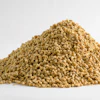
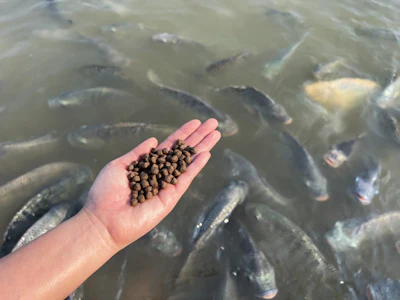
With 65% of the the industry's carbon footprint coming from feed, choosing low-carbon ingredients is critical for aquaculture to earn a “license to operate,” according to David Robb, sustainability director for Cargill's aqua nutrition business. But finding quality carbon data can be tricky.
The Global Feed LCA Institute offers an independent database with standardized emissions and environmental data for feed formulators. But when the Marine Ingredients Organisation, IFFO, first reviewed the database, IFFO Technical Director Brett Glencross noticed some of the database’s marine ingredient data was clearly incorrect. Sprat, for example, supposedly had a carbon footprint six times larger than that of Atlantic salmon.