The situation in the Strait of Hormuz is undoubtedly a global concern.
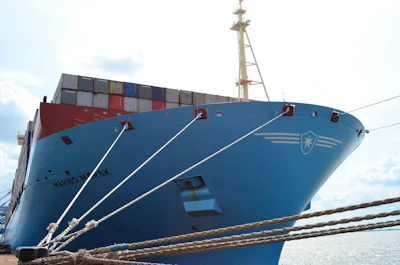
The energy market is, for now, among the most affected, and, during a webinar this week from commodities intelligence research concern Expana, the effects of the geopolitical shift on the energy and agricultural markets were discussed. The impact on the energy market is directly related to freight transportation (including transportation of crude oil itself), both in terms of cost and shipping time. This results in delivery delays and a shortage of vessels.
The impact on commodities and feed prices was discussed by Tosin Jack, Expana’s Director of Market Reporting and Commodity Intelligence, who noted that soybean futures have already been impacted on the Chicago Board of Trade (CBOT). She continued that particular attention needs to be paid to the soybean oil market. Increases in grain and oilseed prices are now a certainty.
The other impacted segment is that of feed additives, primarily vitamins manufactured in China, due to disruptions in the transportation of goods.
There is one more impact on feeds – the market for sulfur, an element used to manufacture phosphates for animal feed, which needs to be closely monitored.
Animal protein market
Regarding animal protein, the Middle East and North Africa will halt or restrict imports, which would impact the global market.
Furthermore, this region absorbs 18-20% of the global demand for grains and oilseeds, making it a significant global force. Transportation and logistics are the points of pressure.
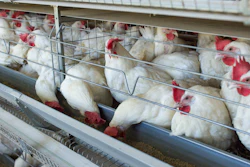
More than 25% of Brazilian chicken exports are destined for the Middle East. The conflict “has begun to disrupt the logistics of Brazilian chicken exports, but there have been no cancellations of already scheduled shipments or measurable financial impact,” reported financial news, analysis and data provider Broadcast.
Ricardo Santin, President of the Brazilian Association of Animal Protein (ABPA), said that “restriction is affecting the opening of new space reservations on ships.” That is, new bookings for the region are not being accepted.
Brazilian animal protein exporters are already evaluating new routes to continue exports to the Middle East, redirecting shipments via the Cape of Good Hope, South Africa. As a result, delivery delays are anticipated. As a precaution, shipping companies have temporarily suspended new container reservations for chicken shipments destined for the Middle East.
What a situation.
What do you think?