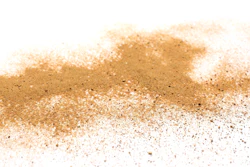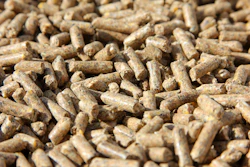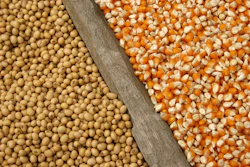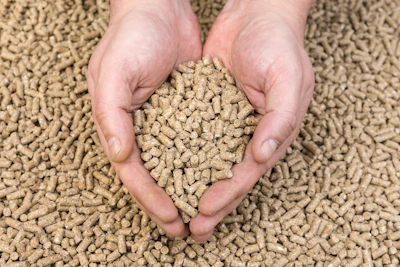
I once visited a feed mill where the hammer mill had become the unofficial solution to almost every production problem. When pellet quality declined, grain was ground finer. When segregation appeared, it was ground finer again. The resulting mash looked wonderfully uniform, and the pellets improved. But nobody had calculated the extra electricity, reduced milling capacity, or biological effect on the bird.
Grinding is necessary, of course. It increases the surface area available to digestive enzymes, supports uniform mixing and generally improves pellet manufacturing. Coarse particles can also create segregation, particularly when their size differs greatly from the finer components of the diet. So, this is not an argument for feeding whole grain and hoping for the best.