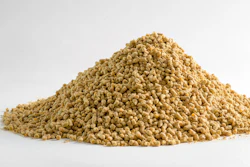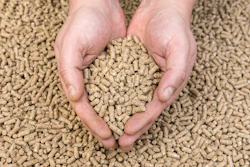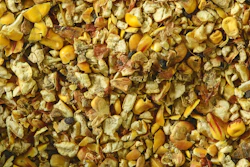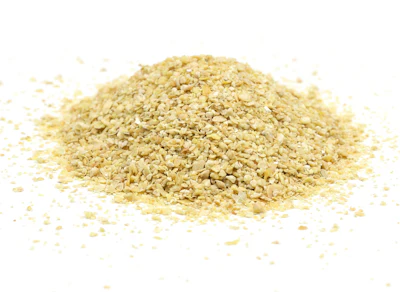
deepspacedave | BigStock.com
Soybean meal quality is still judged every day using two very simple lab tests: urease activity and protein solubility in potassium hydroxide (KOH). Both are quick, inexpensive and widely available. Both are also frequently misinterpreted when used alone. The real value appears when the two are read together.
At its core, soybean processing is a heat-management exercise. Heat is needed to deactivate anti-nutritional factors, mainly trypsin inhibitors. But excessive heat reduces amino acid availability, particularly lysine. The goal is not maximum heat or minimum heat — it is optimal heat. Each test answers a different part of that question.