For decades, “fiber” was a dirty word in monogastric nutrition. Anything that diluted energy or protein was the enemy. We spent years trying to grind, pellet and formulate it out of existence. But times — and production systems — have changed. Today, fiber is making a quiet comeback as one of the most useful tools in precision feeding.
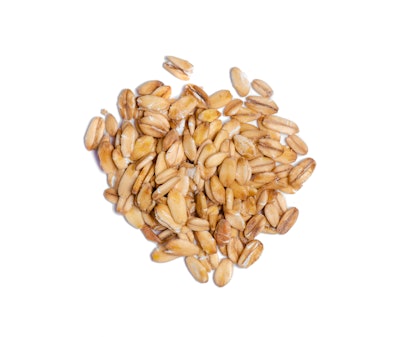
Fiber still doesn’t supply calories, but it shapes how animals use the calories they get. In modern high-density diets, a bit of structure can do wonders. Soluble fibers — like those from sugar beet pulp or oats — slow gastric emptying and help stabilize blood glucose. Insoluble fibers, like hulls or wheat bran, stimulate gut motility, promote gizzard development in poultry, and improve litter quality by firming droppings.