The European Commission on presented a 15-year strategy for the European Union's fisheries and aquaculture sector, pledging a new legislative instrument for fish farming and a two-stage shift toward low- and zero-emission fleets.
The plan, titled "Vision 2040 for fisheries and aquaculture," covers the full value chain. The sector employs more than 200,000 people across the EU, nearly 124,500 in fisheries and almost 76,000 in aquaculture, according to the Commission. Funding would come in part from a proposed minimum of 2 billion euros reserved for core Common Fisheries Policy functions in the EU's 2028-2034 budget.
"Today we deliver on that commitment: a Vision to 2040 for a resilient, competitive and sustainable sector, backed by concrete initiatives to get us there," said Costas Kadis, the EU's commissioner for fisheries and oceans.
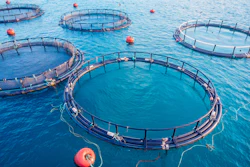
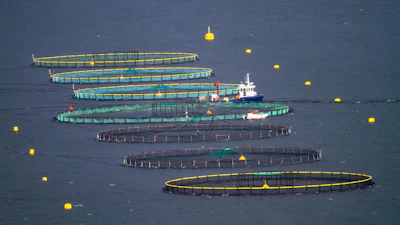
The aquaculture piece carries the most regulatory weight. The Commission will prepare a legislative instrument and work with member states toward a more coherent framework, which it said would give businesses greater certainty and encourage investment.
The energy transition runs in two phases. Until 2030, the focus is on energy and resource efficiency, new technologies and skills, and clean fuels already available. From 2030, the emphasis shifts to scaling up low- and zero-emission technologies, backed by financing, infrastructure and fleet modernization. The Commission will also update its 2014 guidelines for balancing fishing capacity against fishing opportunities.
On the demand side, the Commission will promote digital traceability for all aquatic food products across the supply chain by 2029. It also acknowledged that the landing obligation, which requires fishers to bring all caught regulated species back to port, has not delivered the expected results in monitoring unwanted catches.
The strategy also includes:
- a Blue Generational Renewal Strategy, due next year, to draw younger workers
- harmonized training and certification standards
- expanded real-time stock monitoring using artificial intelligence
Outside the EU, the strategy calls for a new generation of Sustainable Fisheries Partnership Agreements and a stronger push against illegal, unreported and unregulated fishing.
For feed and ingredient suppliers, the link runs through aquaculture. Any growth in EU fish farming would raise demand for aquafeed. The strategy as released, however, does not mention feed, fishmeal or ingredient supply.
The Commission now wants member states and regional authorities to turn the Vision into local measures. The timing and content of the aquaculture legislative instrument, and the final 2028-2034 budget allocation, remain open.