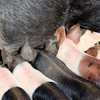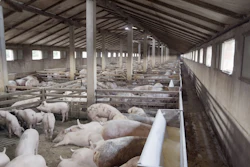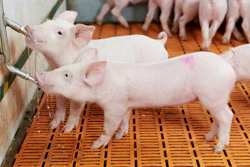
The use of supplemental liquid milk replacers in farrowing houses has gained attention in recent years. The idea is straightforward: provide additional liquid nutrition to support piglets, especially in large litters, and increase weaning weight. In practice, the value of this approach is less clear. In many cases, supplemental milk replacers add cost and complexity without addressing the underlying factors that determine successful weaning.
The main objective before weaning is not simply heavier piglets. It is smoother transition to dry feed after weaning. When this objective is considered, the role of supplemental liquid feeding becomes questionable. Liquid milk replacers can provide value in specific situations, particularly in extremely large litters, orphaned piglets, or limited sow milk production. However, when used broadly across all litters, they often function more as temporary support than as a long-term solution, and sometimes they may delay adaptation to dry feed.