The USDA shelved a poultry vaccination strategy against highly pathogenic avian influenza due to concerns it would conflict with HHS Secretary Robert F. Kennedy Jr.'s anti-vaccine views, according to Politico, leaving the egg industry waiting for clarity on the plan's status.
- USDA Secretary Brooke Rollins shelved an HPAI vaccination strategy in 2025 citing concerns it would clash with RFK Jr.'s anti-vaccine stance
- The original five-pronged strategy included $100 million for vaccine research, $500 million for biosecurity, and $400 million in farmer relief
- The egg industry submitted responses to a pilot vaccination proposal in January 2026 and has heard nothing since
- Meat producers fear trading partners will restrict imports from vaccinated flocks, while egg producers seek additional protection tools
- As of June 2026, Rollins claimed there was no pressure from Cabinet members not to vaccinate, contradicting earlier reports
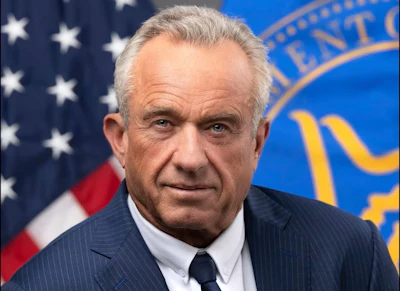
A strategy that allowed for the vaccination of commercial poultry against highly pathogenic avian influenza (HPAI) was shelved by U.S. Department of Agriculture’s (USDA) Secretary of Agriculture Brooke Rollins because of concerns “it would clash” with U.S. Health and Human Services (HHS) Secretary Robert F. Kennedy Jr.’s anti-vaccine views, Politico reported October 13.
According to the article, it is unclear whether Kennedy told Rollins directly to stall the plan before it was shelved.
Rollins initially released a five-pronged strategy to combat HPAI, protect the U.S. poultry industry and lower egg prices in February 2025. That included $500 million for biosecurity measures, $400 million in financial relief for affected farmers, and $100 million for vaccine research, action to reduce regulatory burdens and exploring temporary import options.
In March of that year, a suggestion by Kennedy to allow HPAI to “run through the flock so that we can identify the birds, and preserve the birds that are immune to it” was criticized by Reps. Gerald Connolly, Raja Krishnamoorthi, Emily Randall, Wesley Bell and Lateefa Simon, all Democrats. Kennedy has widely questioned the safety and efficacy of vaccines.
As of June 2026, Rollins told the U.S. Senate Agriculture Committee that the USDA was “studying very carefully the potential for what” an HPAI vaccination program would look like. In addition, she noted that there was “no pressure” from Cabinet members not to vaccinate.
Egg industry requests release of HPAI plan
At the 2026 Chicken Marketing Summit, John Clifford, DVM, veterinary trade and policy adviser, USA Poultry and Egg Export Council (USAPEEC), said that a pilot HPAI vaccination proposal for table egg layers was presented by the United Egg Producers and the American Egg Board to USDA Animal and Plant Health Inspection Service in 2025.
APHIS consulted the industry, developed a strategy, and sent it to state animal health officials and agriculture commissioners, then to the industry last December. The industry returned its responses in the first week of January 2026, and he said it has heard nothing since.
Speaking on his own behalf, he called for the release of the plan.
“We need to know what's going to happen in this country if we were to vaccinate. And the only way we're going to have a true idea of that is to provide our strategy and plan to our trading partners,” he explained.
The vaccination question has long split the U.S. poultry sector along export lines. Meat producers worry that trading partners could restrict imports from vaccinated flocks, while egg producers have sought additional tools to protect layers.