Highly pathogenic avian influenza (HPAI) H5N1 was confirmed on Oct. 19 in commercial poultry near Belford, a village in North Northumberland in northeast England, according to the UK government.
All poultry on the premises will be humanely culled. Authorities have declared a 3-kilometer (1.9-mile) protection zone and a 10-kilometer (6.2-mile) surveillance zone around the site.
It is England's first confirmed case of the 2026/27 outbreak season. The UK season runs from Oct. 1 to Sept. 30.
The season's first UK case was confirmed on Oct. 2. That outbreak involved HPAI H5N5 in commercial backyard poultry in Ness, on the Isle of Lewis in Scotland's Outer Hebrides. After that case, Great Britain lost its status as free from HPAI, the government said.
Wales and Northern Ireland have not reported any cases this season.
Industry response
Will Raw, chair of the National Farmers' Union (NFU) Poultry Board, called the case "devastating for the business affected."
"As we see an increase in migratory birds arriving in the UK, we are urging all poultry keepers, regardless of the size of their flock, to maintain the highest standards of biosecurity and remain vigilant for any signs of disease," Raw said.
He said the union will keep working with government and the supply chain. That work covers immediate support for affected producers and longer-term changes, such as the government's vaccination policy.
Poultry and most captive birds cannot be vaccinated against avian influenza in England. Zoos holding a current license can vaccinate their birds only if they meet eligibility criteria and receive authorization from the Animal and Plant Health Agency (APHA), the government said.
Northern Ireland warning
Northern Ireland's Department of Agriculture, Environment and Rural Affairs (DAERA) is also urging all bird keepers to strengthen their biosecurity before the higher-risk winter period. The department noted that avian influenza continues to circulate in wild birds across Europe.
"Do not wait for the risk to increase before taking action," said Brian Dooher, chief veterinary officer for Northern Ireland.
Both the NFU and DAERA recommend the following measures:
- Clean and disinfect hard surfaces, footwear and equipment.
- Control rodents.
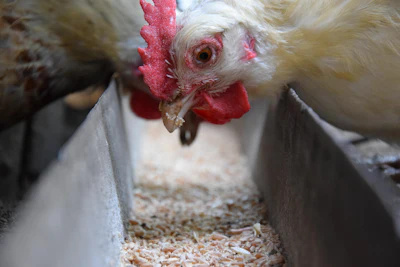
- Keep feed and water in enclosed areas that wild birds cannot reach, and remove any spilled feed.
- Limit outdoor birds' access to ponds and other areas visited by wild waterfowl.
DAERA also advises keeping ducks and geese apart from other poultry species where possible.
Avian influenza is a notifiable disease, which means suspected cases must be reported to the authorities. Failing to report a suspected case is an offense.
Northern Ireland's Public Health Agency says the risk to public health is very low. The Food Standards Agency says properly cooked poultry and eggs are safe to eat.
Previous seasons
The United Kingdom confirmed 100 HPAI cases and one case of low pathogenic avian influenza (LPAI) in the 2025/26 season, government figures show. The 2024/25 season had 82 HPAI cases and the 2023/24 season had six. The 2022/23 season had 207 HPAI cases, the highest of the past five seasons.
The government says it continues to monitor the global situation and track vaccine development with the Veterinary Medicines Directorate.