The global insect protein pet food market is projected to grow from $205 million in 2024 to $1.62 billion by 2033, a compound annual growth rate of 25.8%, according to a new report from Research Intelo.
The firm attributes the growth primarily to demand for sustainable, hypoallergenic protein sources as pet owners weigh the environmental impact of conventional animal proteins and the prevalence of pet allergies and sensitivities.
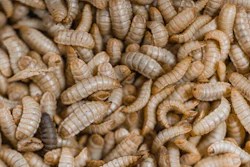
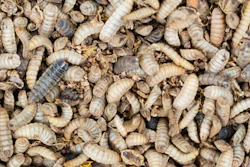
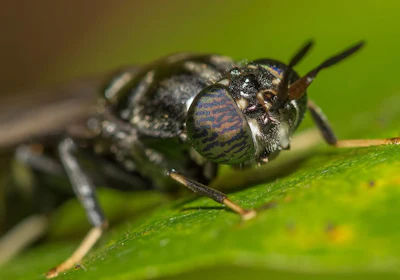
According to the report, the black soldier fly (Hermetia illucens) has emerged as the most widely used insect species in pet food formulations due to its high protein content and efficiency in converting organic waste into nutrients. Insect protein is being integrated across multiple product formats, including dry kibble, wet food and treats, and is increasingly positioned around functional health benefits such as digestion, skin health and immunity support.
Insect protein challenges
Despite the projected growth, the report noted the market faces challenges including high production costs relative to conventional protein sources such as soy and meat, consumer skepticism, and inconsistent regulatory frameworks across regions. Large-scale insect farming operations also continue to work through supply consistency and cost efficiency hurdles.
Asia-Pacific and North America are expected to be key growth regions, driven by rising pet ownership rates and sustainability-oriented purchasing.
"The future of the insect protein pet foods market looks promising, with strong growth expected over the next decade," said the report. "As technology advances and production scales up, costs are likely to decrease, making these products more affordable and mainstream."