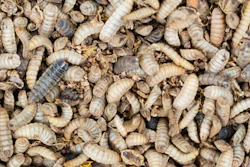
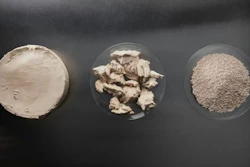
Preliminary research from Innovafeed and Onda suggests insect-based ingredients may offer both health and performance benefits in aquaculture diets, particularly for Atlantic salmon.
The trials, conducted at Onda’s research facilities in Prince Edward Island, evaluated black soldier fly larvae meal as a functional ingredient in salmon nutrition. Early in-vitro results indicated antibacterial activity in the ingredient’s hydrosoluble fraction, with growth inhibition observed in several gram-negative pathogens commonly linked to disease outbreaks, including Aeromonas salmonicida, Flavobacterium psychrophilum, Vibrio anguillarum and Photobacterium damselae.
Researchers attribute the antimicrobial effect to naturally occurring peptides produced by Black Soldier Fly larvae, which are known to disrupt microbial cell membranes. The findings point to potential applications in reducing disease pressure and limiting antibiotic use in aquaculture systems, where antimicrobial resistance remains a growing concern.
A separate 84-day feeding trial evaluated the ingredient’s impact on growth performance in Atlantic salmon. Fish fed the insect-based diet grew from approximately 300 grams to 800 grams and recorded 100% survival. The study also found increased feed intake, suggesting the ingredient may support palatability and growth efficiency in commercial diets.
While the results are preliminary, the companies said the data reinforces the potential for insect-derived ingredients to serve dual roles as both sustainable protein sources and functional additives in aquafeed formulations.
Further validation and peer-reviewed research will be needed to confirm efficacy at commercial scale and across varying production conditions.