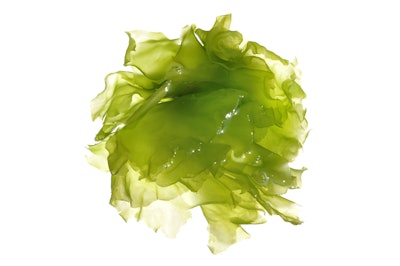
Macroalgae, also known as seaweed, are gaining attention as a sustainable and nutrient-rich feed ingredient for livestock. These aquatic plants offer unique advantages over traditional feed crops, such as requiring no freshwater, arable land, or synthetic fertilizers. A recent study highlighted the potential of macroalgal biomass and its extracts as an alternative source of minerals for animal feeds, with a particular focus on seven species harvested from the Atlantic coast of Galicia, Spain.
One standout finding is the high iodine (I) content in brown macroalgae, such as Saccharina latissima and Laminaria ochroleuca. These species recorded iodine levels up to 4131 mg/kg dry matter (DM). While iodine is essential for livestock, excessive levels can limit the inclusion rate of these macroalgae in feed. For instance, the study suggests limiting S. latissima and L. ochroleuca to 0.72% and 0.66% of the diet, respectively, to avoid exceeding safe iodine thresholds.