Necrotic enteritis remains a common problem in broilers, made even worse by the removal of antibiotics and the high use of wheat. Nutritional intervention measures are often considered as part of a comprehensive solution. Below is a short list of such measures.
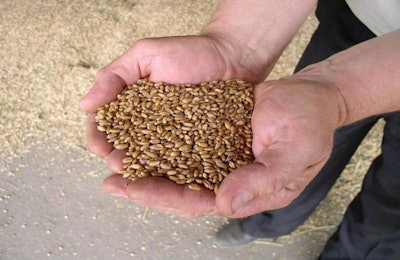
Wheat. Broiler feeds rich in wheat have been reported to aid the growth and colonization of clostridia that precipitates the issue of necrotic enteritis. The problem is less severe when wheat is roller milled, as opposed to being hammer milled. The whole issue is most likely related to the presence of high levels non-starch polysaccharides in wheat that increase digesta viscosity and serve as a source of nutrients for such bacteria.
Low-quality fats. Rancid acids, offered at attractive prices, are known to damage the microvilli structure of the gut epithelium. Again, this allows microbes, such as clostridia, to colonize easier, not to mention the reduced digestive and absorptive capacity of the birds while microvilli remain damaged.
Nutritional intervention can be used as part of a comprehensive solution
Necrotic enteritis remains a common problem in broilers, made even worse by the removal of antibiotics and the high use of wheat. Nutritional intervention measures are often considered as part of a comprehensive solution. Below is a short list of such measures.
Wheat. Broiler feeds rich in wheat have been reported to aid the growth and colonization of clostridia that precipitates the issue of necrotic enteritis. The problem is less severe when wheat is roller milled, as opposed to being hammer milled. The whole issue is most likely related to the presence of high levels non-starch polysaccharides in wheat that increase digesta viscosity and serve as a source of nutrients for such bacteria.
Low-quality fats. Rancid acids, offered at attractive prices, are known to damage the microvilli structure of the gut epithelium. Again, this allows microbes, such as clostridia, to colonize easier, not to mention the reduced digestive and absorptive capacity of the birds while microvilli remain damaged.
Low-quality soybeans. Urease destroys the mucus barrier that lines the luminal side of the gut epithelium. Without this barrier, free radicals (from rancid lipids) and toxins (from bacteria and molds) can penetrate the epithelium much easier and damage its cells, plus it allows greater chances for clostridia to colonize the gut.
Ingredient changes. With high prices for most raw materials, nutritionists are pressed to change ingredients often as less expensive alternatives are found. Although this may keep feed cost down, it always brings the risk of unbalancing an established gut microflora. Such event may give the edge to clostridia to proliferate and damage the gut epithelium causing necrotic enteritis.