massimo Colombo | iStock.com
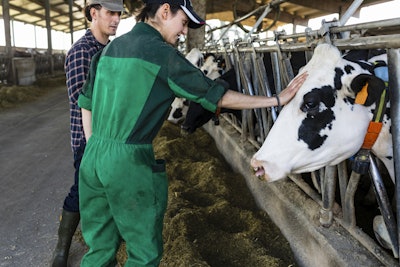
Summer heat is one of the most consistent and costly challenges in dairy production. When temperatures rise above 22 degrees C, especially with high humidity, dairy cows begin to experience heat stress. As a result, milk production drops, fertility declines and metabolic disorders increase.
Cows under heat stress reduce their feed intake, typically by 10% to 30%, depending on severity. At the same time, maintenance energy requirements increase due to panting and standing longer to dissipate heat. The combined effect is a negative energy balance, which impairs milk yield and immune function.