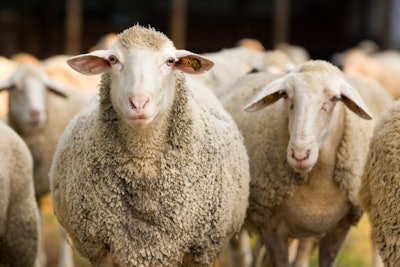
In dairy sheep production, milk fat is not just a nutritional marker – it is true economic value. Whether destined for premium cheeses or fluid milk, higher fat content boosts processing quality and, consequently, milk price paid to the producer. While genetics and lactation stage matter, one of the most direct and controllable dietary factors is the forage-to-concentrate (F:C) ratio.
Sheep milk naturally contains more fat than cow milk, often between 6% and 7%, but this can fluctuate significantly depending on diet. Because many dairy sheep systems are designed around value-added products such as cheese and yogurt, even small changes in fat percentage can affect yields and processing behavior. In many countries, sheep milk prices are determined by milk fat (and protein) concentration.