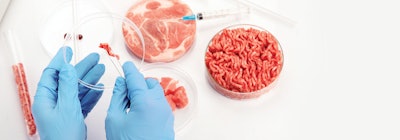
Public awareness surrounding cell-cultivated meat has grown within the United States at a fast pace since the U.S. Department of Agriculture (USDA) approved the sale of cell-cultivated chicken in 2023 for human food. Animal production, pet food and cell-cultivated meat industries looking toward the future have been left wondering whether it will become accepted in the pet food industry, if it’s a passing fad or somewhere between. For those in the United Kingdom it’s already here, as the UK became the first country in Europe to allow cell-cultivated meat to be used in pet food. Public opinion on something new, like cell-cultivated meat, can often make or break an industry’s success and largely depends on whether consumers (pet or human) not only enjoy the taste of it, but also whether consumers consider it “safe” to consume or feed to their pets. Food safety often, if not exclusively in some states, starts with the federal government.
The U.S. Food and Drug Administration (FDA) is responsible for ensuring food is not adulterated or misbranded and regulates food ingredients used during production of pet food products. The Federal Food, Drug and Cosmetic Act (FD&C Act) requires that all pet foods be safe for animals to eat, produced under sanitary conditions, contain no harmful substances and be truthfully labeled.