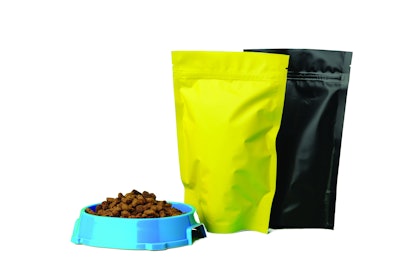
In the height of the COVID-19 pandemic, after years of internal debate, our family adopted a rescue puppy — our first family pet. Just as our beloved pup Pigeon (a.k.a. Pidge) rapidly grew in size, needs and wants, the pet food industry has expanded in volume, scope and variety to appeal to families with pets. This has generated a diversity of pet food products as well as methods to market and distribute those products, including one key aspect — packaging. The focus on pets as members of our family has led to greater scrutiny of pet foods in many ways, including scrutiny of pet food packaging. In this article we take a look at some of the legal issues impacting the packaging of our furry family members’ food, including labeling requirements, safety standards and environmental concerns, and recent legal developments coming to the forefront.
On top of function and consumer appeal, a critical aspect of pet food packaging is compliance with labeling requirements. The U.S. Food and Drug Administration (FDA) and various state authorities, often guided by the Association of American Feed Control Officials (AAFCO), play pivotal roles in regulating pet food labels. According to AAFCO, labels must properly identify products and provide information (with some exceptions for snacks, treats and supplements) about product name, intended species and life stage, quantity, nutrients, ingredients, feeding directions and manufacturer information. Each of these elements has its own specific requirements. Additionally, any optional or descriptive information featured on the label is also regulated — this content must not be false or misleading under any circumstances.