The world is failing to invest in animal health despite mounting evidence that the cost of inaction far exceeds the cost of prevention, according to the annual State of the World’s Animal Health report.
The report, published by the World Organisation for Animal Health (WOAH), is the only annual global assessment of animal health trends, risks and challenges.
It highlights that animal diseases destroy more than 20% of global animal production each year. These impacts are felt most acutely in low- and middle-income countries, where animal health plays a critical role in sustaining livelihoods, food security and economic resilience. At the same time, insufficiently resourced systems struggle to detect and respond to diseases early, while also facing challenges in maintaining animal welfare standards.
Recent reductions in international aid budgets are compounding the pressure. Development assistance for health has declined to approximately US$39.1 billion in 2025, with animal health accounting for less than 2.5% of that total. Over the same period, global defense spending reached a record of US$2.9 trillion. In this context, strengthening animal health systems – the shared infrastructure that guards against naturally emerging diseases, accidental releases and deliberate biological threats alike – remains underfunded, despite their essential role in managing cross-border risks, including emerging diseases and biological threats.
The report highlights that bringing veterinary services in every country up to international standards would cost approximately US$2.3 billion per year, less than 0.05% of the US$3.6 trillion in economic losses attributed to COVID-19 in 2020, a disease that most likely emerged from an animal source, while the precise origin and transmission route to humans has not been definitively established.
“Animal health systems sit at the very center of food security, economic stability, welfare and human health, and yet are chronically underfunded,” said Dr. Emmanuelle Soubeyran, director general of WOAH. “The COVID-19 pandemic highlighted the importance of stronger investment in prevention and the One Health approach. One Health will remain an aspiration until animal health is genuinely built into how we plan and invest — long before the next crisis arrives.”
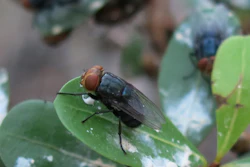
More than 2,000 outbreaks of highly pathogenic avian influenza were reported by 64 countries and territories between 2025 and 2026, resulting in the culling or loss of more than 140 million poultry. Foot-and-mouth disease has caused unprecedented outbreaks in Southern Africa and re-emerged in Europe. African swine fever continues to spread, including through notable long-distance jumps. And the New World screwworm — a flesh-eating parasitic fly — is also raising serious concern, with tens of thousands of cases reported across Central America and a northward spread that poses a threat to animal health beyond the countries currently affected.
Seventy-five percent of emerging infectious diseases in humans originate in animals, making animal health systems the world’s first line of defense against outbreaks, including a potential next pandemic. However, the report indicates that these systems are under strain, with 18% of countries recently assessed showing declining veterinary capacity, and 22% showing declining paraprofessional capacity.
“What we are observing goes beyond the spread of disease and also reflects increasing pressure on surveillance networks and emergency response capacities, particularly in regions most exposed to animal health risks,” said Dr. Paolo Tizzani, senior veterinary epidemiologist at WOAH. “When veterinary services are under-resourced, diseases are detected late, spread more widely, and cost more to contain – regardless how they started. Strengthening these systems is therefore an important and effective way for governments and partners to reduce risks and improve preparedness.”
Based on 54 countries and territories assessed by WOAH, it is estimated that an average 52% budget increase would be required to meet the actual annual cost of effective veterinary services. WOAH’s Performance Veterinary Services Pathway (PVS) provides countries with independent assessment of their animal health systems and a tailored roadmap for improvement. In a positive development, following recent PVS activities, more than half of participating countries reported an increase in financial resources.
The report calls on governments to increase funding for animal health systems and integrate it into broader health, economic and security strategies; on development partners to align funding with long-term prevention rather than crisis response; and on financial institutions as well as the private sector to recognize animal health as a high-impact investment.
The report’s findings will underpin discussion at the upcoming 93rd General Session of the World Assembly of Delegates, May 18-22, notably within the WOAH Technical Forum dedicated this year to the theme, “Investing in Animal Health to Secure Everyone’s Future.” A ministerial meeting will also take place on the margins of the Opening Ceremony, including the release of a ministerial statement reflecting a shared vision on animal health systems.