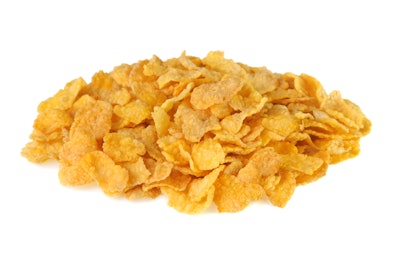
Although steam flaking has earned its place in the feed industry — and for good reason — it still requires precision in its application for ruminants. I am a strong proponent of steam flaking and I have recommended it for feedlots in Texas, reviewed flake quality in feed mills in Spain, and watched its popularity grow in high-performance dairy systems across Asia. Done right, steam flaking improves starch availability, enhances feed conversion, and supports animal performance.
But, like any powerful tool, it must be wielded carefully. In my line of work, I’ve also seen where steam flaking can go wrong: from flake densities that swing wildly to cattle suffering from acidosis because the rumen was overwhelmed by too much rapidly fermenting starch. As with any processing method, context matters: grain type, species, animal age, diet balance and flake quality all determine whether steam flaking adds value or unintended risk.