The organic industry is developing unified impact reporting standards to help consumers better understand the value of USDA organic certification and organic products, with industry leaders working to create common metrics that work across diverse sectors like dairy, produce, and personal care.
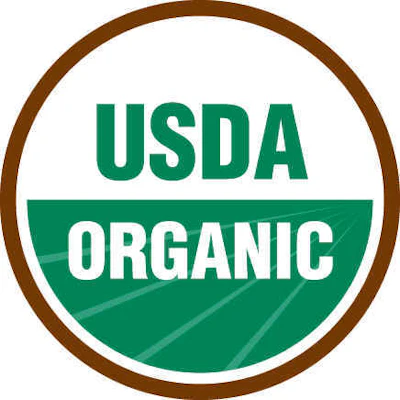
- The USDA organic seal is the most recognized certification and the only one backed by federal regulation with criminal penalties for fraud
- The Organic Trade Association is leading efforts to create unified metrics for reporting organic's environmental and social impact across the industry
- Different sectors require entirely different metrics—dairy farms, produce operations, and ingredient manufacturers each need customized measurement approaches
- The industry's goal is to develop metrics that are understandable to consumers, retailers, and investors while addressing a large and diverse supply chain
- Companies already report sustainability data separately, so the association is coordinating existing efforts into one cohesive industry standard
The organic industry needs a common way to measure and report its impact if it wants consumers to understand the full value behind the U.S. Department of Agriculture (USDA) organic seal, according to two industry leaders.
Tracy Favre, vice president of sustainability, live operations, for pasture-raised egg company Handsome Brook Farms, and Alexis Bramley, director of strategic projects for the Organic Trade Association, discussed challenges with the organic seal during panel discussion at the "The Roots of Organic: From Soil to Shelf" summit, held in New York on Sept. 23.
Favre said the organic label already starts with a credibility advantage.
"The USDA organic seal is the most recognized seal. It's really the only one backed by federal regulation, including criminal penalties for fraud," she said. Tracy FavreScreenshot from FoodTank | YouTube
She added that the Regenerative Organic Certified seal is quickly gaining traction, and both programs are recognized by the International Organization for Standardization.
"Both of these standards have teeth behind them," Favre said.
The difficulty, she said, is that organic standards must fit personal care products, fiber and food alike, which makes it harder to communicate the benefits clearly.
"We as a sector need to do a better job of communicating the larger benefit," Favre said, pointing to the trade association's initiative to create a unified way of reporting organic's impact as "the best way to tackle it."
Bramley said the effort faces a timing challenge. Most companies already report sustainability metrics to investors, retailers or as part of their own corporate sustainability targets, so the association is joining work that is already underway.
The goal is to bring the industry together on metrics that are understandable to consumers, retailers and investors while also working across a large and diverse supply chain.
"The metrics we're going to need for a dairy farm are going to be entirely different than the metrics we're going to look at for a produce operation or a company that is just manufacturing ingredients after they leave the farm," Bramley said.
The association's approach is to first define a high-level message for organic as a whole, then break it down by sector to address what industries such as dairy and produce need.
"What does a unified message look like from a high level for organic?" Bramley said. "How do we move this together as an industry?"