Researchers at the Arkansas Agricultural Experiment Station are testing whether a commercial omega-3 feed additive can help fall-born calves withstand summer heat stress during backgrounding, a growth phase most heat-stress research has skipped.
The study is supported by a $20,000 grant from the Arkansas Beef Council, according to an Oct. 13 release from the University of Arkansas Division of Agriculture. The project began in June. It is led by Zena Herrera, an assistant professor of meat science and muscle biology in the department of animal science for the experiment station, which is the research arm of the Division of Agriculture.
The timing gap is the point of the work. Herrera said most heat-stress studies have focused on cattle in the finishing stage, the period right before slaughter when animals reach their heaviest weights. Calves born in the fall follow a different calendar.
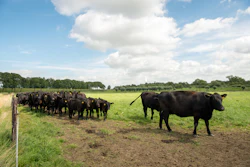
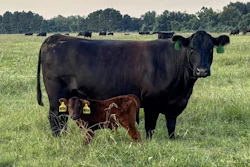
"With fall calving systems, cattle are not in the finishing stage during the hottest months of the year," Herrera said. "Instead, these animals experience summer heat stress while in the backgrounding phase when they continue to grow before entering finishing programs."
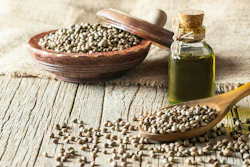
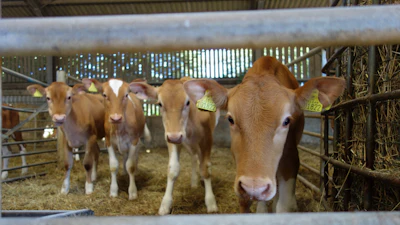
Backgrounding is the period between weaning and finishing. Heat stress during that window can slow growth by reducing feed efficiency and can hurt meat quality, Herrera said. The additive under study contains omega-3 polyunsaturated fatty acids and is intended to work as an anti-inflammatory.
The trial will track animal growth and measure indicators of heat stress and inflammation. Researchers will also analyze beef loin samples for color stability, tenderness and flavor. The team's hypothesis is that supplemented cattle will show lower stress and inflammation levels, better growth performance and better meat quality than cattle that do not receive the additive.
"Heat stress was certainly a problem for Arkansas producers this summer, and a problem we anticipate producers in Arkansas and throughout the country will continue to face," Herrera said.
For feed manufacturers and nutritionists, the study points to a possible use for omega-3 products outside the finishing ration. If the results hold, backgrounding operators could gain a nutritional tool for managing heat load ahead of the feedyard.
Herrera is working with animal science professors Beth Kegley and Jeremy Powell and with Derico Setyabrata, an assistant professor of meat science and muscle biology. All three are in the department of animal science in the Dale Bumpers College of Agricultural, Food and Life Sciences at the University of Arkansas. The release did not name the commercial additive, give herd size or supplementation rates, or say when results are expected.