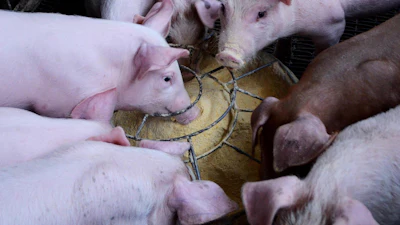
A South Korean lawmaker has introduced a bill to ban feed made from food waste after government data showed its use on pig farms has climbed sharply since the country lifted a ban imposed after its first African swine fever (ASF) outbreak.
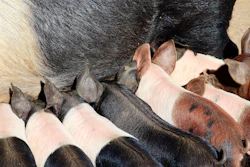
Rep. Song Ok-ju, a member of the National Assembly agriculture committee, released figures submitted by the Ministry of Agriculture, Food and Rural Affairs for the annual parliamentary audit, Herald Business reported. Supply of food-waste feed to pig farms rose 165.3%, from 66.5 metric tons in December 2024 to 176.4 metric tons at the end of August 2026. The number of farms using it rose from five to 18, and the number of pigs fed it grew from 9,279 to 22,204. At the end of 2025, 14 farms were feeding it to 19,004 pigs.
The rise follows a policy reversal. The government ordered food-waste feed kept off pig farms in September 2019, when ASF was first confirmed in South Korea. In October 2024, it allowed the feed back under conditions set in a manual on food-waste feed processing procedures and farm biosecurity.
Song said all 18 farms now using the feed had been inside ASF movement-restriction zones at some point in 2025 or 2026. She called for safety inspections, which now focus on farms using the feed, to cover all 70 food-waste feed manufacturers in the country.
She also warned that demand could grow. Prohibitions tied to South Korea's phaseout of the dog meat industry take effect in February 2027, and Song said food-waste feed now used on dog farms could move to pig farms.
The bill would close that door. Her amendment to the Feed Management Act, filed Oct. 1 with nine co-sponsors, would ban the manufacture, import, sale and use of feed made from leftover food. It would also ban feed made from body parts of the same species as the animal being fed, with exceptions for aquatic animals and arthropods. The bill would require pathogen testing of animal-derived feed ingredients at the manufacturing and import stages and allow the ministry to restrict ingredients shown to spread disease.
Song said renewed food-waste feeding raises concerns about disease spread, livestock product quality and unfair low-price competition, and she called for biosecurity controls that start at feed manufacturing. She pointed to Taiwan, which plans to ban food-waste feeding starting in 2027 after its 2025 ASF outbreak, and to the European Union, which restricts the practice for pigs and other livestock.
The bill was referred to the agriculture committee Oct. 2 and remains under committee review, according to the National Assembly bill record. If passed, it would reverse the 2024 decision that allowed food-waste feed back onto pig farms.