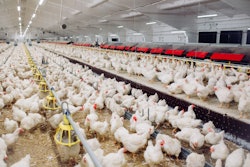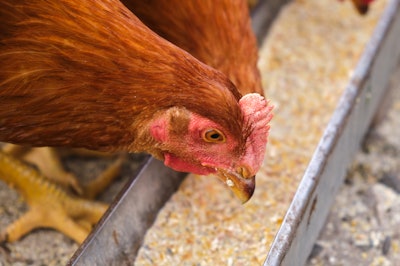
In layer nutrition, reducing crude protein (CP) is considered beneficial among many feed professionals. Claims include lower feed costs, less nitrogen waste and better overall efficiency. But, achieving high productivity, health and maintaining reasonable feed costs remains a delicate balance. Cut too far, and egg production or quality can take a hit. Here is where glycine, a simple but important amino acid, is gaining renewed attention worldwide.
Traditionally, glycine is considered as “non-essential.” Nevertheless, today glycine can be better labeled as “conditionally essential” for modern poultry diets. This is especially true when crude protein is reduced and essential amino acids (lysine, methionine, threonine, etc.) are supplemented individually. In this scenario, glycine plays a key role in ensuring sufficient uric acid synthesis, prompt collagen production, enhanced immune function, and even proper yolk formation. In short, it can help hens stay productive, particularly when intact protein sources like soybean meal are minimized. At least, this is the prevailing notion among nutritional circles.