Astral Foods reported a sweeping financial turnaround for the six months ended March 31, 2026, with operating profit rising 348% to ZAR1.2 billion (US$72 million) as lower corn costs and recovering chicken prices combined to lift margins across the integrated producer's operations.
Group revenue grew 11.4% to ZAR11.9 billion compared with ZAR10.7 billion in the prior comparable period. The net operating profit margin expanded to 10.2% from 2.5%, and headline earnings per share rose 467% to 2,318 cents. The company declared an interim dividend of ZAR11.60 per share, a 427% increase.
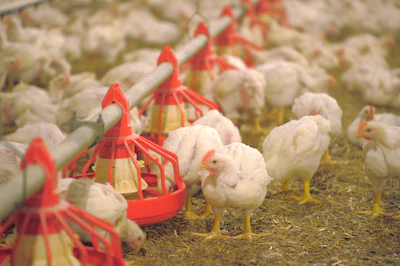
The Poultry Division drove the recovery, swinging from a ZAR26 million operating loss to ZAR848 million in operating profit. Revenue for the division increased 14% to ZAR10.1 billion as sales realizations recovered from deflationary conditions in the comparable period. Astral said on-farm performance reached an all-time high during the period, and production averaged 6.1 million broilers per week.
A sharp decline in yellow corn prices was central to the improvement. The SAFEX yellow corn price averaged ZAR3,470 per ton during the half, down from ZAR5,004 per ton in the same period a year earlier, reducing broiler feed costs and improving live cost of production.
The Feed Division reported a 9.8% increase in total feed volumes and a 23.2% rise in operating profit to ZAR366 million, though division revenue was flat at ZAR5.3 billion as lower raw material costs reduced selling prices.
CEO Gary Arnold called the results "a sterling set of results" on the occasion of Astral's 25th anniversary of listing on the Johannesburg Stock Exchange.
The company flagged several near-term risks. Total poultry imports averaged 43,521 tons per month during the period, a 39.7% increase over the comparable period, with most originating from Brazil. Imported offal volumes pressured tertiary product pricing.
Arnold also cited rising fuel costs tied to ongoing Middle East conflict, a weaker rand, and the risk of drought conditions in South Africa's 2026-27 summer growing season tied to the developing El Niño weather pattern. He said any deterioration in local crop production could negatively affect feed costs in the medium to long term.
South Africa is on track for a record grain and oilseed harvest in the current 2025-26 season, which the company said will support relatively stable feed input costs in the near term.