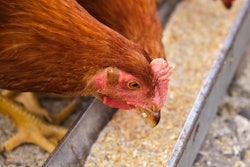
For decades, crop breeding has focused on the needs of farmers and the demands of the food market: yield, pest resistance, drought tolerance and harvest stability. These priorities have been essential for global food security. Yet one of the largest consumers of these crops — the animal feed industry — has historically been a downstream user rather than an active voice in breeding objectives. As poultry production continues to evolve toward precision nutrition, sustainability and efficiency, it may be time to rethink this relationship. What if we intentionally bred crops with poultry nutrition in mind?
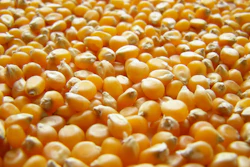
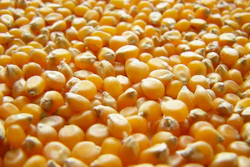
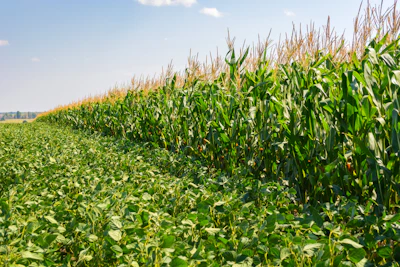
Modern poultry diets rely heavily on a handful of plant ingredients, particularly corn and soybean meal. These crops were not designed to meet the biological needs of birds; they were designed to thrive in the field. As a result, nutritionists must constantly adapt feed formulations to accommodate natural variability in nutrient density, digestibility and anti-nutritional factors. Every season, weather patterns, soil conditions and genetic variation reshape the nutritional profile of feed ingredients before they ever reach the feed mill.