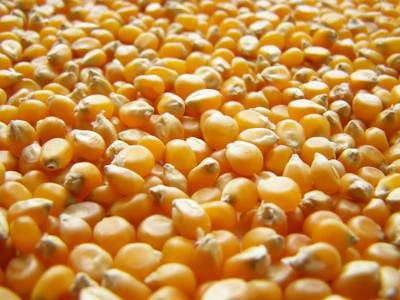
Rising input costs continue to push producers to reassess every expense, including seed. Saving grain seed from a previous harvest is sometimes viewed as a reasonable response to economic pressure. The grain looks sound, it yielded once, and replanting it avoids the cost of purchasing new hybrid seed. From a feed perspective, however, this choice introduces variability that deserves careful consideration.
Hybrid grains are designed to express specific traits only in the first generation. When seed from hybrid plants is saved and replanted, those traits segregate. The resulting crop is genetically inconsistent, leading to greater variability in yield, kernel size and kernel structure. In practice, this is often described as a “broken” hybrid — not defective, but unpredictable.