The use of dried chicory pulp in animal feed formulations is becoming increasingly common, especially for its residual inulin content and functional fiber benefits. However, there are instances when dried whole chicory may be a more efficient or practical alternative. This blog explores the key differences between these two ingredients and provides a practical calculation to determine how much dried whole chicory can replace dried chicory pulp in a premix while maintaining equivalent inulin levels.
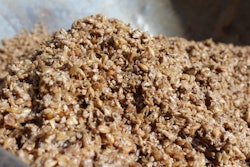
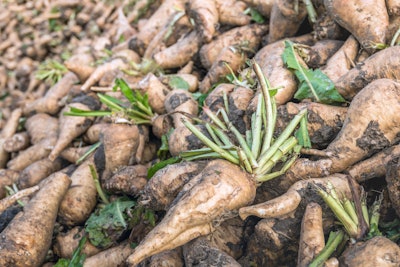
Dried chicory pulp is the byproduct left after the extraction of inulin from whole chicory roots. It typically contains about 10-15% residual inulin, depending on the efficiency of the extraction and drying processes. This makes it a moderately rich source of fermentable carbohydrates and dietary fiber for animal diets. In contrast, dried whole chicory contains the entire chicory root, retaining a much higher inulin content, usually around 50-60%. This concentrated inulin level makes dried whole chicory a more potent ingredient for specific nutritional purposes, such as enhancing fermentable energy or promoting gut health in monogastric animals such as pigs and poultry.