Rhjphotos | BigStock.com
After my previous blog about organic minerals, it was deemed essential to describe the process of chelation and how it might differ for each type of organic trace mineral. This might help nutritionists select the right product for the desired outcome.
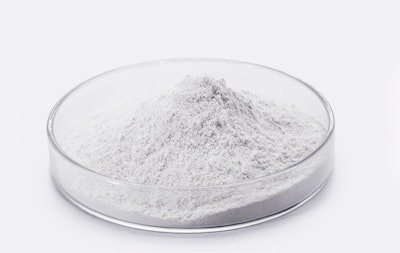
The chelation process involves mixing the mineral salt (e.g., zinc sulfate, copper sulfate) with glycine in a controlled environment. This is often done under specific pH and temperature conditions to facilitate the formation of stable chelates. Glycine molecules surround the metal ion, forming multiple coordination bonds through their amino and carboxyl groups. This structure protects the mineral from interacting with other dietary components in the digestive tract.