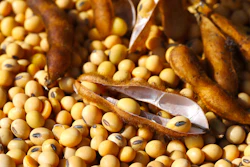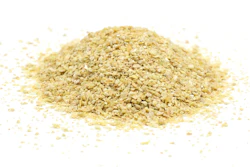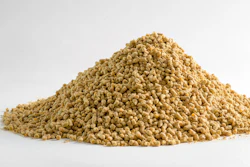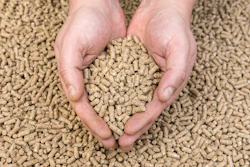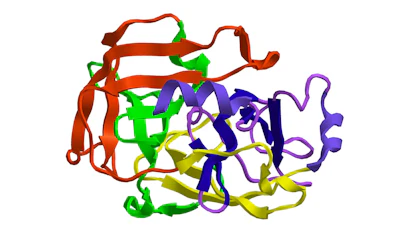
Trypsin inhibitor activity (TIA) is often mentioned as a routine soybean quality parameter, yet its biological impact is rarely explained in practical terms. We know young animals are sensitive, but the reasons go much deeper than a simple warning about underprocessed soybean meal. Understanding the mechanism helps explain why even moderate TIA levels can quietly erode performance.
Trypsin inhibitors are natural soybean proteins designed to defend the plant against predators. In animal nutrition they bind to the digestive enzyme trypsin, blocking its ability to break down dietary protein. The immediate effect is reduced protein digestion, but the animal does not passively accept this loss. Instead, the pancreas responds by increasing enzyme production in an attempt to compensate. This adaptive response is well documented and results in increased pancreatic activity and enlargement of the organ.