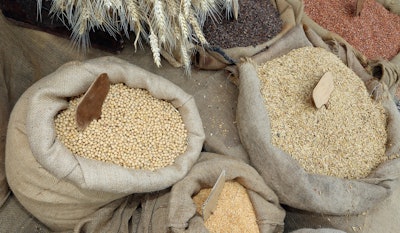
ChiccoDodiFC | BigStock.com
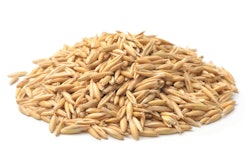
Oat hulls are emerging as a cost-effective and sustainable alternative to more expensive fiber sources – such as soy hulls – in animal feeds, sparking interest across various sectors of the livestock industry. While oat hulls and soy hulls are valuable fiber sources, they differ in nutritional profile, cost and availability. The key question for feed formulators is whether oat hulls can fully or partially replace soy hulls in diets for animals including poultry, ruminants and swine.
From a cost perspective, oat hulls hold a clear advantage. Oat hulls are a byproduct of oat processing, making them abundant and less expensive than soy hulls, which are in high demand across multiple industries.