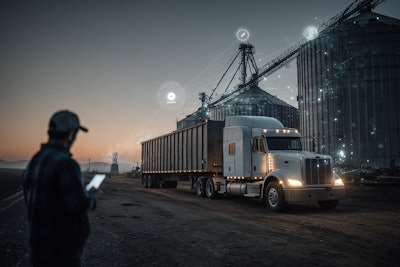
For decades, farmers have relied on mechanistic animal models to guide livestock nutrition. While these approaches provided structure and predictability, they lacked the flexibility to adapt to real-world changes on the farm. Today, advances in data science are opening the door to a new era: big data-driven, adaptive feed models that continuously adjust diets based on real-time inputs such as animal health, animal performance and ingredient availability.
Big data and machine learning have been hailed as the next big revolution in agriculture, with cropping systems leading the way in adoption. Yet, progress in the livestock sector has been slower. One study highlighted this imbalance, showing that only 19% of published research applying machine learning in agriculture was focused on livestock production.