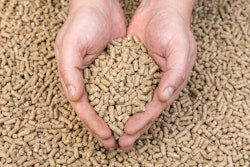
The top 20 US feed manufacturers, led by companies like Cargill and Land O'Lakes, produced significant volumes of compound feed in 2023 while facing challenges from political uncertainty, supply chain vulnerabilities, rising production costs, and new regulatory requirements around sustainability reporting.
- Twenty-eight of the world's top 148 feed producers are based in the United States, with the top 20 including Cargill, Land O'Lakes, Tyson Foods, Wayne-Sanderson Farms, and Alltech
- The US feed industry generated $267 billion in total sales and nearly $20 billion in tax revenue in 2023
- The industry faces critical supply chain vulnerability with 94% of vitamin B6, 91% of vitamin C, and 73% of vitamin A imported from China
- Key challenges include political gridlock on the FEED Act and Farm Bill, inflation, labor shortages, and evolving FDA regulations on mycotoxin risks and PFAS contamination
- Growing pressure for sustainability reporting and environmental impact measurement driven by EU directives, the Inflation Reduction Act, and SEC climate disclosure rules
According to Feed Strategy's 2024 Top Feed Companies report, 148 animal feed manufacturers worldwide reached or exceeded 1 million metric tons of compound feed production in 2023. In total, these companies manufactured 560,933 million metric tons of compound feed last year, or 43% of the 1.29 billion metric tons of total global production estimate from Alltech’s 2024 Agri-food Outlook.
Twenty-eight of the top feed producers are based in the United States. Here is the ranking of the Top 20.
2023 Top US Feed Companies
- Cargill
- Land O'Lakes
- Tyson Foods (broiler)
- Wayne-Sanderson Farms
- Alltech
- Smithfield Foods
- ADM Animal Nutrition
- Koch Foods Inc.
- Mountaire Farms Inc.
- Perdue Farms
- J.D. Heiskell & Co.
- Rose Acre Farms
- Kent Nutrition Group
- Seaboard Foods
- Cal-Maine Foods
- Peco Foods
- OSI Group
- Versova Holdings LLP
- Hillandale Farms
- George’s Inc.
What influenced US feed production in 2023?
Here is a recap of the key macro trends that influenced U.S. animal feed volumes in 2023, based on the Feed Strategy cover story, "US Feed Industry Outlook: 5 critical issues set to impact US feed producers."
1. Political gridlock and legislative uncertainty
The feed industry, which contributes significantly to the U.S. economy with "$267 billion in total sales and almost US$20 billion in tax revenue in 2023," faces challenges from political uncertainty. Two key pieces of legislation remain in limbo: the Innovative Feed Enhancement and Economic Development (FEED) Act of 2023 and the 2023 U.S. Farm Bill. As David Fairfield, senior vice president, feed at National Grain and Feed Association, warned, delays could lead to "the opportunity for various interest groups to attach marker bills that may impact the feed industry."
2. Economic pressures on multiple fronts
The industry faces what American Feed Industry Association President and CEO Constance Cullman described as a squeeze "coming from two directions: the rising costs of production and declining demand." Companies are grappling with inflation, high input costs and persistent labor shortages, with significant turnover as "people move from opportunity to opportunity."
3. Supply chain vulnerability and trade dependencies
A critical concern is the industry's heavy reliance on China for vital ingredients. The numbers are striking: "94% of vitamin B6, and more than 91% of vitamin C is imported from China," along with "73% of the feed industry's vitamin A, 62% of the vitamin E and 94% of the vitamin B." This concentration of supply creates significant vulnerability to geopolitical tensions.
4. Evolving regulatory landscape
Several regulatory changes are reshaping the industry, including:
- FDA's "comprehensive" facility inspection approach with increased focus on mycotoxin risks
- Enhanced surveillance of PFAS contamination in feed
- New guidance for animal food claims to support innovation in feed technology
5. Growing emphasis on sustainability reporting
The industry faces increasing pressure to measure and report environmental impact, driven by several initiatives:
- The EU's Corporate Sustainability Reporting Directive affecting U.S. companies with European operations
- The Inflation Reduction Act's clean fuel production credit
- The U.S. Securities and Exchange Commission's (SEC) proposed climate-related disclosure rule requiring detailed emissions reporting
As Cullman noted, "The U.S. produces animal food more sustainably than anywhere else in the world — but we don't necessarily capture or measure it," highlighting the need for better sustainability metrics and reporting.
To drill down deeper into the factors that shaped this listing, historical data and the company profiles of almost 200 feed producers worldwide, visit the Feed Strategy’s full Top Feed Companies database: www.FeedStrategy.com/worlds-leading-feed-producers/